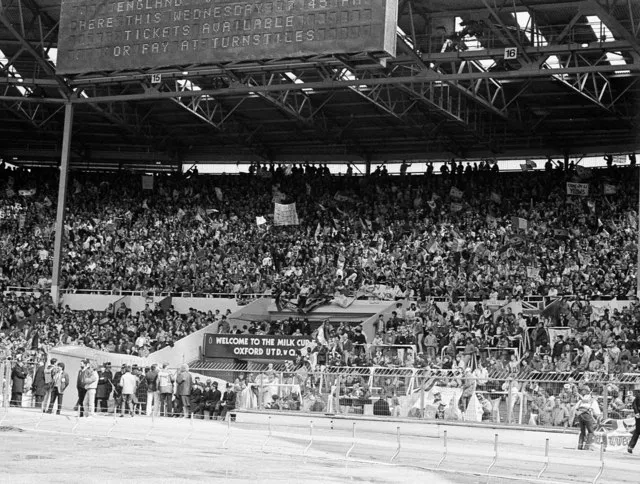
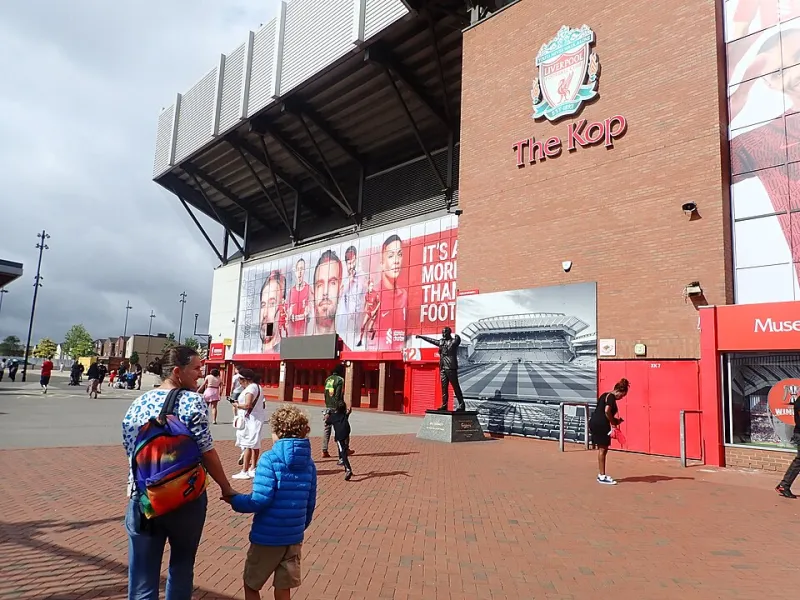
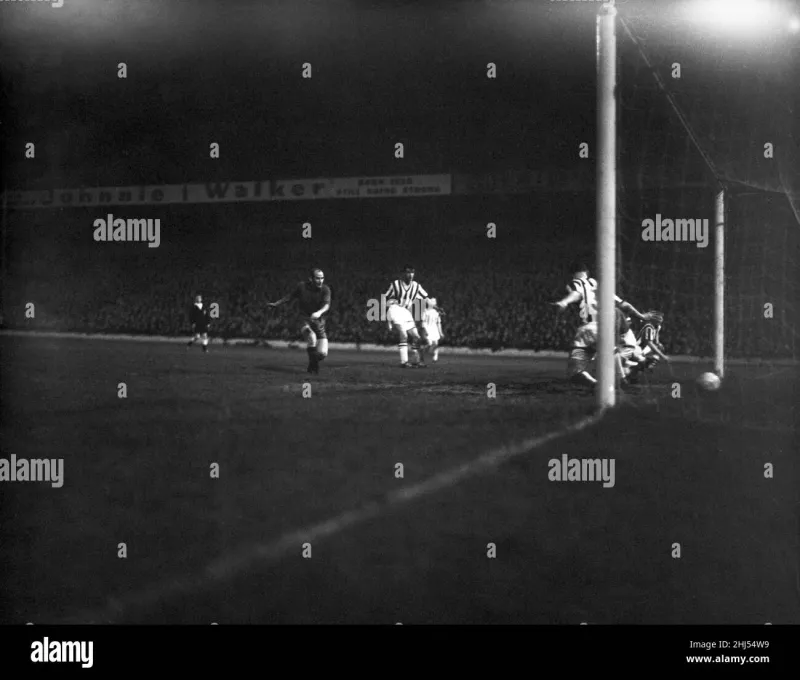
Shaky Cams and Kop Confessions: The Unsung Pioneers Who Filmed Football When They Weren't Allowed To
Photo: Schreibwerkzeug, CC BY-SA 4.0, via Wikimedia Commons
The Tape That Started It All
Ask any fan channel supremo where it all began and they'll tell you about YouTube, or maybe Twitter, or that first viral clip that paid for a decent microphone. They're wrong. It began earlier, grainier and considerably more illegal.
It began with a bloke on the Kop in the mid-90s, a camcorder the size of a house brick stuffed down his jacket, and a VHS tape that would be copied — and copied, and copied — until the picture looked like it had been filmed through a pint of mild.
Banned, But Filming Anyway
Here's the thing people forget: clubs hated cameras. Still do, in some corners. Ground regulations for decades prohibited 'unauthorised filming equipment', which meant anyone with a camcorder was technically a smuggler. Security would occasionally confiscate them at the turnstile. So the pioneers got creative — bin bags with lens holes, coats draped over tripods, a mate standing in front of the steward while the tape rolled.
And what did they film? Not highlights in the Sky sense. No replays, no slow-motion, no punditry. Just ninety minutes of wobbly, wind-battered footage with the real soundtrack: the terrace itself. The humour, the fury, the bloke behind the lens who couldn't help narrating. That's the bit the broadcasters never captured and the fans always knew was the point.
From VHS to the Back of the School Bus
The distribution method was gloriously analogue. Tapes got dubbed for mates, passed around the bus, traded at car boot sales in the way other people traded rare singles. A particularly good derby win might circulate for a season before the quality degraded into pure abstract art.
Then came the digital camera era — those chunky early-2000s jobs that could record thirty seconds of shaky footage before the battery died. Clips started appearing on early forums, RealPlayer streaming at a resolution that made the ball roughly theoretical. Upload a goal celebration and wait twenty minutes for it to buffer. Worth it. Always worth it.
The Phone Changed Everything
By the mid-2000s, phones had cameras and the floodgates creaked open. Suddenly every ground had dozens of unofficial camera operators, most of them filming nothing in particular until something kicked off. The first genuinely viral terrace clips — pitch invasions, ridiculous goals from the away end, that one memorable streaker at a wet Tuesday in the Championship — came not from broadcasters but from supporters who happened to be pointing and pressing.
Clubs, of course, panicked. Cease-and-desist letters flew. Footage got taken down. And yet the audience had spoken: they wanted the fan's-eye view, the unpolished truth, the sound of the stand rather than the studio.
Standing on Shaky Shoulders
Fast forward to now. Fan channels have studio lights, sponsorships, subscriber counts in the millions. Post-match reaction shows are slicker than some club media output. And fair play — the production values have come on enormously.
But strip away the ring lights and the green screens, and what are they selling? Exactly what the camcorder smugglers were selling twenty-five years ago: the match as experienced by the people who paid to be there. The emotional raw feed. The noise you can't licence.
Every time a fan channel goes viral, there's a lineage running straight back to the anonymous figures who risked a confiscated camera to film a 1-1 draw on a freezing Tuesday. They weren't building a brand. They weren't chasing algorithmic gold. They were just making sure the moment survived — for themselves, for their mates, and, as it turns out, for the entire future of football media.
So next time you watch a packed fan studio dissect a derby, spare a thought for the bloke on the Kop with a camcorder down his trousers and a steward's eye on his back. He was the origin story all along.