Ten Clips That Made Football Change Its Own Rulebook
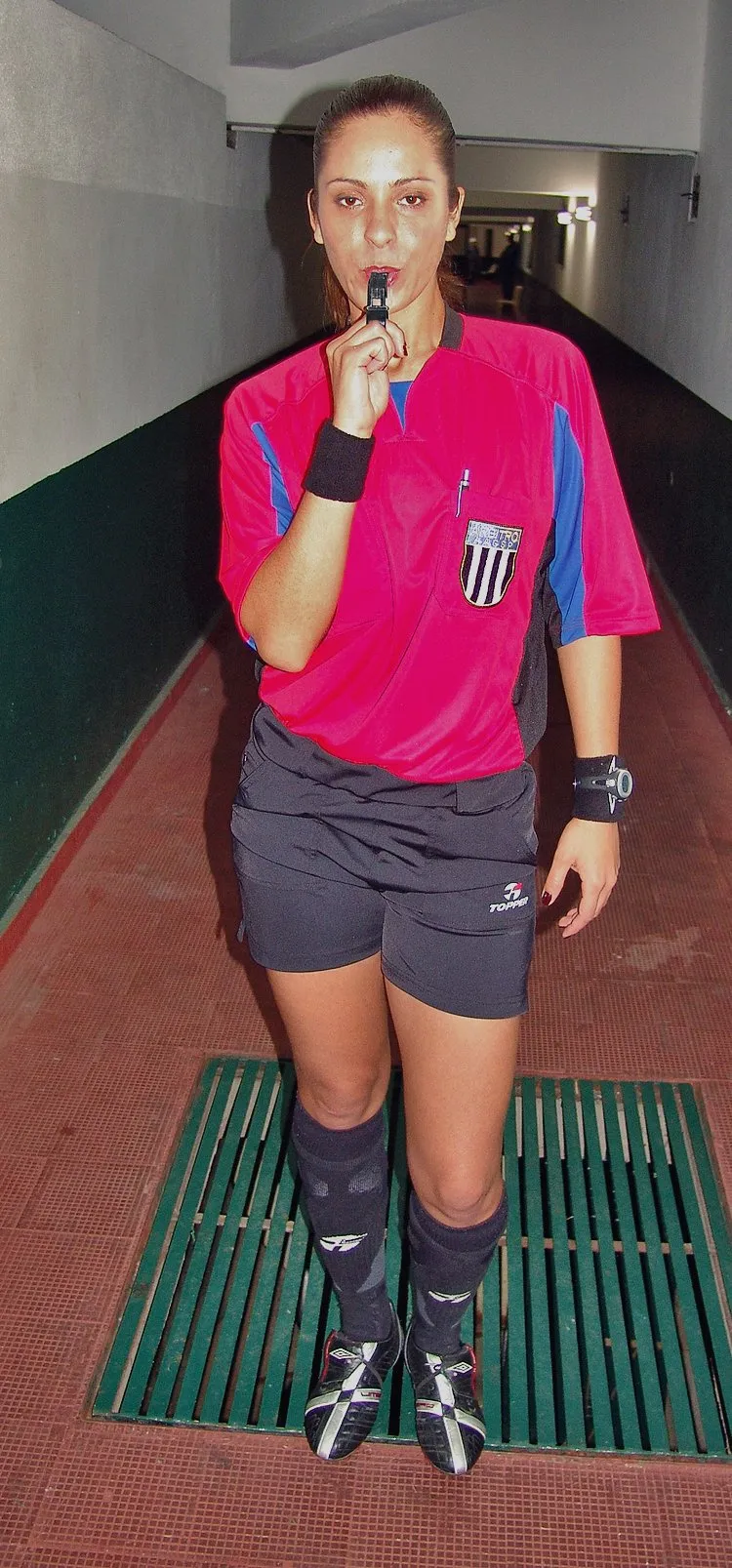
Photo: Sérgio (Savaman) Savarese, CC BY-SA 2.0, via Wikimedia Commons
When the Camera Became the Fifth Official
Referees get one look, from one angle, at real-time speed. The camera gets everything — replays, slow motion, freeze frames. And every so often, a clip lands that the game simply cannot ignore. Here are ten moments where broadcast footage didn't just document football, it rewired it.
10. The 'Carragher Rule' and the Art of the Professional Foul
Cynical fouls to stop a goalscoring chance were once a shrug and a yellow card. But repeated TV analyses of defenders 'taking one for the team' — denying clear chances with tactical fouls — piled the pressure on lawmakers. Eventually the laws were clarified to make denying an obvious goalscoring opportunity a sending-off offence. The replay killed the professional foul's innocence.
9. The Handball That Everyone Saw Except the Referee
Few incidents did more for the cause of video review than a certain 2010 World Cup qualifier in Dublin. Thierry Henry's handball in the build-up to France's decisive goal against Ireland was missed by the officials, seen instantly by millions, and became a global scandal. The FAI's formal request to be allowed as the 'lucky loser' was rejected, but the footage demanded answers. Video assistance stopped being a fringe idea that night.
8. The Back-Pass That Bored a Nation Into Action
Not every rule change came from controversy — some came from sheer tedium. The 1990 World Cup was littered with defenders strolling the ball back to the keeper while cameras rolled and viewers switched off. The footage of goalkeepers picking the ball up from pass after pass was so dire that FIFA introduced the back-pass law in 1992. Football has never been slower to thank a clip.
7. The Tackle That Outlawed a Tackle
The two-footed lunge was once a crowd-pleaser. Then broadcast slow-motion caught, again and again, studs showing, legs breaking. The most infamous examples — including tackles that shattered careers — made the 'dangerous tackle' law a priority. Referees were instructed to send off challenges that endangered opponents, regardless of whether the ball was won. The replay booth didn't invent the red card for it, but it made denial impossible.
6. The Elbow the Linesman Never Saw
Off-the-ball incidents were, for a century, football's dark matter — invisible to officials, whispered about by players. Broadcast cameras changed that. Retroactive footage of elbows and stamps, missed in real time, led to the introduction of retrospective punishment panels in England. If the camera saw it, you could still be banned three days later.
5. The Goal-Line Farce That Demanded Technology
Frank Lampard's 'goal' against Germany in 2010 — the ball a good half-metre over the line, clear to every viewer within seconds — was the tipping point for goal-line technology. FIFA had resisted for years; the clip made resistance untenable. Within two years, Hawk-Eye was in the Premier League.
4. The Offside Nobody Could Agree On
Long before VAR, broadcast analysis of marginal offside calls — armpits, toenails, whether a shoulder was 'gaining an advantage' — turned a simple law into a national argument. Those endless freeze-frame debates prepared the football public, for better or worse, for semi-automated offside technology.
3. The Diving Epidemic Caught in Slow Motion
Simulation was once a matter of opinion. Then every dive, every exaggerated tumble, was replayed from four angles before the player had finished rolling around. The footage turned diving into football's most hated act and gave referees a mandate: yellow cards for deception, and eventually, retrospective bans.
2. The Touchline Bust-Up That Redefined 'Technical Area'
Managers brawling on the touchline — broadcast from every angle — forced the game to formalise the technical area. Where a manager could stand, when they could leave it, and what happened when they didn't. The cameras turned the touchline from no-man's-land into a regulated zone.
1. VAR: The Clip That Ate the Game
Every entry on this list was a stepping stone to the same destination. When video review finally arrived — trialled globally, launched in the Premier League in 2019 — it was the culmination of decades of footage proving that officials miss things. Whether VAR has been a triumph or a curse is still argued in every pub and every fan channel from Anfield to Accrington. But one thing is beyond dispute: the camera won. Football's lawmakers no longer act because a decision feels wrong — they act because the clip says it is.
The Verdict
The fifth official doesn't wear a bib or hold a board. It's a lens on a gantry, and it's been quietly legislating since the first replay ever aired. Long may it keep the game honest — even if we could do with fewer armpit offside debates.