Locked Out Until Bedtime: The Strange Rules That Made Saturday Night Football Sacred

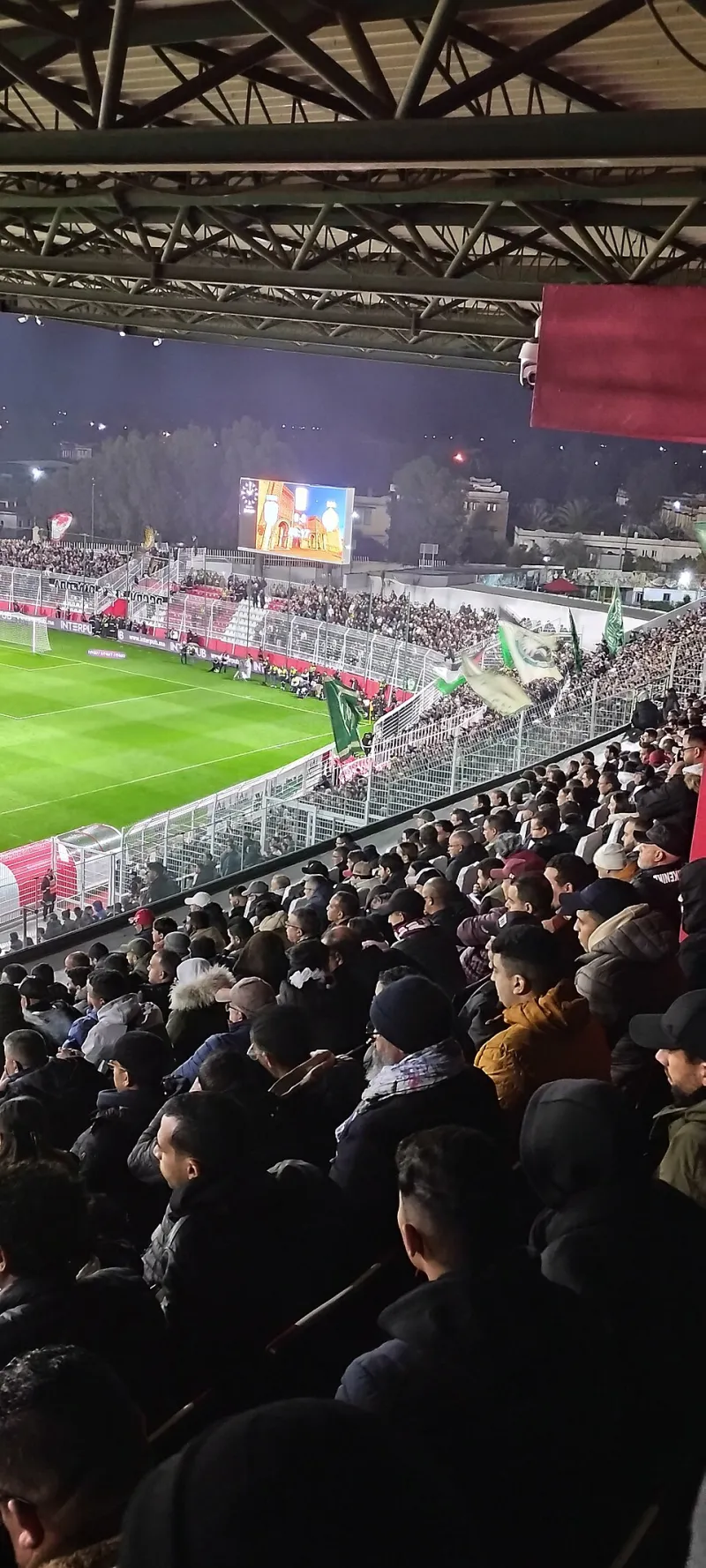
Photo: Nenad Stojkovic, CC BY 2.0, via Wikimedia Commons
The Embargo That Ran British Football
Imagine it now: your team wins 4-3 in a nine-goal thriller at 3pm on a Saturday, and you can't watch a single second of it until 10pm. No clips at half-time. No highlights on your phone on the bus home. Nothing.
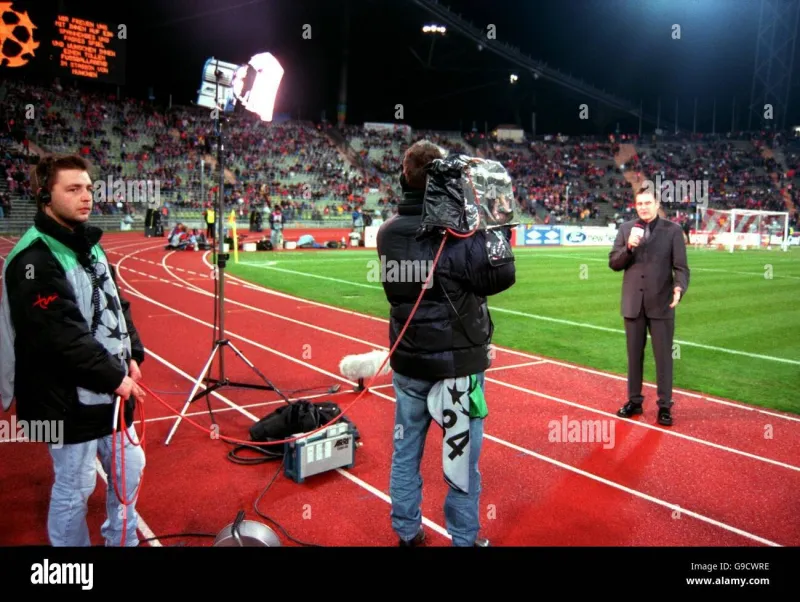
That wasn't a dystopia — it was simply the deal. For decades, the League Managers' Association and the Football League enforced a strict embargo on match footage, designed to protect attendances. Broadcasters couldn't show highlights until late in the evening, on the theory that if you'd already seen the goals, why would you bother going next week?
It sounds daft in the streaming age, but it built something we've never quite got back: anticipation. The whole country arrived at the same moment, remote controls in hand, ready for the opening titles.
'I Don't Mind That' — How MOTD Became Church
Match of the Day launched in 1964 and, for a long stretch, was the only place to see league football. One show. Two matches, in the early days. Kenneth Wolstenholme. Then Jimmy Hill and the infamous 'I don't mind that' — the gentle art of the pundit was born on a sofa that felt like a national institution rather than a studio set.
The restrictions, ironically, made it bigger. Because the footage was rationed, it mattered. A goal you'd only seen once on a crackly telly became a shared memory for the entire country. Ask any Red of a certain age about a certain mazy run against Everton in 1970 and they'll describe it frame by frame — even though they've probably only seen the clip a handful of times in their life.
VHS, Eject Buttons and the Playground Economy
Then came the video recorder, and with it a black market of sorts. Mates taped the late-night repeat, wiped over the family's wedding footage, and traded VHS cassettes of classic matches like contraband. 'Can you do me a copy of the '77 final?' was a standard request in any school playground.
Granada's 'Football League Highlights' on a Sunday morning, the regional compilations, the occasional big-match live broadcast — each one was an event precisely because it was scarce. You planned your weekend around it.
The Rights Wars Changed Everything
The 1980s and 90s blew the doors off. Live top-flight football moved to the new money, highlights packages were renegotiated, and suddenly the embargo looked antiquated. When the Premier League launched, Saturday night highlights became a glossy, multi-match production — and the old scarcity began to erode.
By the 2010s, the dam had burst entirely. Now a goal is on your phone before the net's stopped rippling. The embargo is dead; the ritual went with it.
What We Gained, What We Lost
Nobody genuinely wants to go back to waiting until 10pm. Instant access is brilliant, and fan channels like the ones we celebrate here every week have given supporters a voice the old broadcasters never did.
But there's a case to make that something got lost in the flood. When everything is available, nothing feels precious. The shared national moment — millions watching the same ninety seconds at the same time — has fragmented into a million individual feeds. The clip culture is faster, louder and somehow emptier.
Maybe the answer isn't nostalgia for the blackout, but a recognition of what it taught us: the best football television was never really about the footage. It was about everyone being in the room together. That, at least, is worth keeping — whether it's on the sofa, in the pub, or on a fan channel livestream with 40,000 other Reds shouting at the screen.