Pub Screens, Phone Screens, Second Screens: How the British Matchday Went Digital

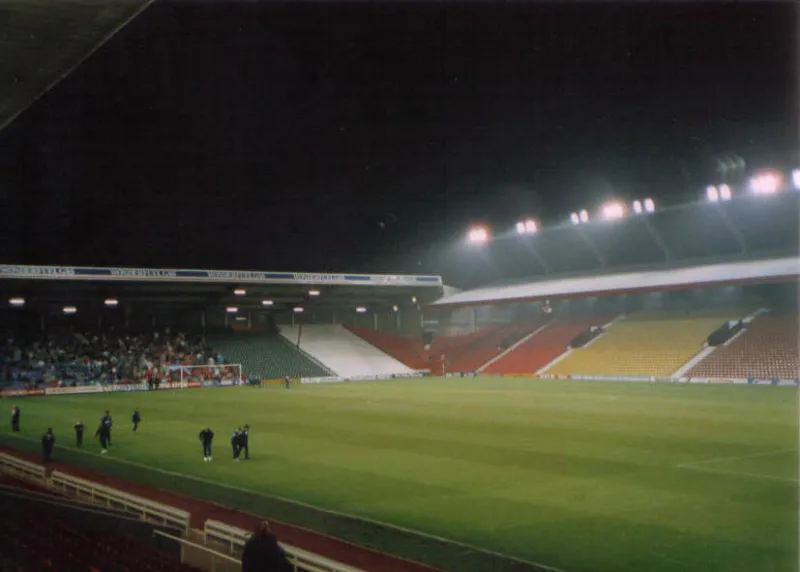
Photo: Ben Sutherland, CC BY 2.0, via Wikimedia Commons
Cast your mind back twenty years. If you couldn't get to the match and it wasn't on Sky, your options were simple: Football Focus, a dodgy aerial, or listening to Radio 5 Live with your ear pressed to the speaker. Miss the game, and you'd catch the goals on Match of the Day at 10:25pm or not at all.
Fast forward to today. A Saturday 3pm kick-off can't even be legally broadcast in this country, and yet millions of us will still follow every second — through live text commentary, a mate's WhatsApp voice notes, fantasy football apps refreshing in real time, and a torrent of clips the moment the final whistle goes.
The matchday hasn't changed. The matchday experience has been rebuilt from the ground up. Here's how we got here.
The Big Screen in the Corner Was Just the Beginning
For decades, the pub was the alternative to the turnstile. One telly, one game, a packet of Scampi Fries, and a landlord with strong opinions about the referee.
Streaming didn't kill that ritual — it multiplied it. Now the same pub might have four screens showing four different matches, while half the punters are tracking their fantasy teams on their phones anyway. The second screen arrived without anyone really noticing. Watching the football while checking the football is now completely normal behaviour, and honestly, we wouldn't have it any other way.
The Streaming Split: A Blessing and a Headache
Here's the uncomfortable truth about the modern era: watching top-flight football legally in the UK now requires a small portfolio of subscriptions. One platform has Saturday lunchtime kick-offs, another has Sunday's big fixtures, a third has midweek, and God help you if you want the FA Cup.
Fans have adapted — some would say they've adapted too well, with the inevitable rise of illegal streams as a workaround. The industry's own research suggests piracy thrives wherever access gets fragmented and expensive. There's a lesson in there for the rights holders, and everyone knows it.
What streaming has genuinely given us, though, is choice. More matches available than ever, on-demand replays, multi-camera angles, and the ability to watch a Championship fixture on a train with headphones on. The trade-off — cost and complexity — is the argument that never quite goes away.
Highlights Culture: The 90 Seconds That Matter
Not everyone watches 90 minutes anymore, and that's fine. The rise of short-form highlights has created its own grammar of the game: the quickfire cut, the slow-mo replay, the tactical breakdown video explaining why that full-back's inverted run mattered.
For fans, it means you can genuinely keep up with two or three clubs, follow the Women's Super League, and still have opinions about League Two's promotion race. Is it the same as living every minute? No. Is it a richer, broader football diet than any previous generation had? Absolutely.
The Rise of the Fan Channel
And now the most interesting shift of all: supporters stopped waiting for the media to come to them and started making their own.
Fan channels — the post-match reaction videos filmed in cars and outside stadiums, the tactical deep-dives on YouTube, the podcasts recorded in spare rooms — have become a genuine pillar of football culture. Some of the biggest names in the space pull audiences that rival mainstream broadcasters. Clubs have noticed, too; many now accredit fan creators for press areas and work with them directly.
That's the space we occupy at Reds TV. We're part of a movement that believes matchday media shouldn't just be handed down from a boardroom in a media campus — it should come from people who queue for a pie at half-time, who know what a bad away day feels like, and who talk about football the way you talk about it down the pub.
The barrier to entry has collapsed. A phone, a mic, and something to say is all it takes now. Some of the sharpest tactical analysis and funniest matchday content in Britain right now comes not from studios but from supporters with a ring light and a grudge.
What Comes Next
A few things seem likely. Personalised highlight feeds tailored to your club. More interactive viewing — live polls, watch-alongs, integrated stats. Virtual reality experiments that keep threatening to arrive. And, we'd hope, a rebalancing that makes top-flight football easier to access legally, because a generation of fans being priced into piracy helps nobody.
But the bigger picture is this: the British matchday used to be a single experience — the ground, the pub, or the telly. Now it's a layered, personal, always-on thing that follows you from the turnstile to the bus stop to the sofa.
And the people shaping it increasingly look like us: fans with cameras, opinions, and a red scarf in shot.
Wherever you're watching this weekend — up the Reds.